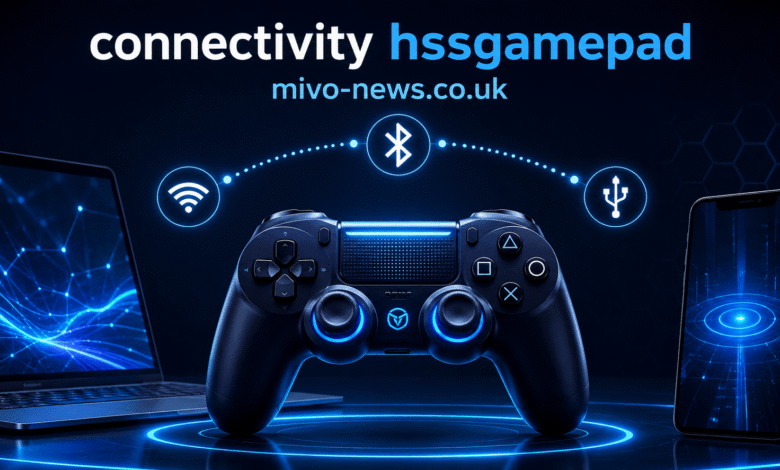
Getting a game controller connected should be one of the easiest parts of setting up a gaming session. Yet, when the controller refuses to pair, disconnects without warning, or works on one device but not another, the experience can quickly become frustrating. Connectivity HSSGamepad generally refers to the ways an HSSGamepad controller communicates with a compatible gaming device, including wired USB and wireless connection methods. Public guides discussing HSSGamepad describe Bluetooth, USB, and, for some models, 2.4GHz wireless receiver connectivity. Because exact features can vary by model, checking the instructions that came with the particular controller is always important.
Quick HSSGamepad Information
| Detail | Information |
|---|---|
| Product type | Gaming controller/gamepad |
| Connection methods discussed online | USB, Bluetooth, and some 2.4GHz wireless receivers |
| Potential devices | PC, mobile devices, and other compatible platforms |
| Common problems | Pairing failure, disconnection, detection issues, input problems |
| First troubleshooting step | Check power, connection mode, cable, and device compatibility |
What Does Connectivity HSSGamepad Mean?
The phrase Connectivity HSSGamepad is best understood as the process through which the controller communicates with a phone, computer, television, console, or another compatible device. A wired connection sends controller input through a physical cable, while wireless methods use radio communication to send button presses and movement information to the receiving device. The exact connection options depend on the specific HSSGamepad model, so users should not assume that every controller bearing the HSSGamepad name has identical hardware or pairing procedures.
A stable connection matters because every button press and movement needs to reach the game correctly. A controller that repeatedly loses its connection can make an otherwise enjoyable game feel unreliable. Fortunately, many connection problems are related to simple issues such as an incorrect pairing mode, low battery, an unsuitable cable, interference, or an old Bluetooth pairing.
Connectivity HSSGamepad: Main Ways to Connect
USB Wired Connection
A wired USB connection is usually the simplest place to begin when troubleshooting. Connect the controller directly to a compatible USB port on the computer or gaming device and allow the system a few moments to recognize it. If the controller does not appear, try another USB port and, where possible, another known-good data cable.
One important point is that not every USB cable necessarily carries data. Some cables are intended mainly for charging, so a controller may receive power without actually communicating with the computer. If the controller lights up but is not detected, the cable is one of the first things worth checking. Third-party HSSGamepad guides also recommend testing the controller directly rather than through a USB hub when diagnosing connection problems.
Bluetooth Connection
Bluetooth can be convenient because it removes the need for a cable or, when supported, a separate wireless receiver. To begin, activate Bluetooth on the device and place the controller into its appropriate pairing mode. The controller should then appear in the available-device list if the model supports Bluetooth pairing.
If it does not appear, make sure the gamepad has enough battery power and is not already connected to another nearby device. Removing an old pairing from the device and attempting the pairing process again can also help. The precise button combination used to enter pairing mode can differ between models, so the controller’s own instructions should take priority over generic online guides.
2.4GHz Wireless Receiver
Some HSSGamepad guides describe models that use a 2.4GHz USB wireless dongle. With this type of connection, the receiver is inserted into a compatible USB port and the controller is paired with that receiver according to the model’s instructions. This approach can be useful for devices that do not have suitable Bluetooth support.
Because the receiver is specific to the controller system, users should not assume that a random 2.4GHz USB adapter will work. If the controller came with a dedicated receiver, use that receiver and follow the supplied pairing instructions.
How to Connect HSSGamepad Step by Step
Before starting, make sure the controller is charged or connected to power as required. Also confirm that the gaming device supports the connection method you intend to use. Starting with these basic checks can save considerable time later.
For a wired setup, connect the controller directly to the device using a suitable data cable. Wait for the operating system to detect it, then open the game’s controller settings and test the buttons and analog sticks. For Bluetooth, enable Bluetooth, activate pairing mode on the controller, select the appropriate gamepad entry from the available devices, and test the connection once pairing is complete. For a 2.4GHz model, insert the supplied receiver, switch on the controller, and complete the model-specific pairing procedure.
The final test is simple: move the analog sticks and press several buttons. If the device responds correctly outside the game but not inside the game, the connection itself may not be the problem. The game may require a different controller mode, button configuration, or controller support.
Common Connectivity HSSGamepad Problems
The Gamepad Is Not Detected
When a computer or other device does not recognize the controller, begin with the basics. Check whether the controller is powered on, inspect the cable if using USB, try another USB port, and restart both the controller and the receiving device.
For Bluetooth connections, remove an existing pairing and search for the controller again. If possible, test the gamepad with another compatible device. This simple test can help determine whether the problem comes from the controller or from the original device.
Bluetooth Pairing Does Not Work
Bluetooth pairing can fail when the controller is not actually in pairing mode or when it is still associated with another device. Turn Bluetooth off and back on, remove an outdated gamepad entry, and place the controller into pairing mode again.
It is also worth keeping the controller close to the device during the initial pairing process. Once the connection is established, you can test whether normal playing distance remains reliable.
The Controller Keeps Disconnecting
Random disconnections can have several causes. A low battery is an obvious one, but wireless interference, distance, obstacles, and competing connections can also contribute. Some published HSSGamepad troubleshooting material specifically identifies battery level, interference, and Bluetooth signal strength as possible causes.
Try charging the controller fully, moving it closer to the device, and reducing unnecessary wireless devices around the setup. If the problem continues, testing a wired connection can help determine whether the problem is specific to the wireless connection.
Buttons or Analog Sticks Are Not Responding
A controller can be connected successfully while individual controls still fail to work correctly. First, test the gamepad through the operating system’s controller settings or another application that supports gamepads.
If the controls work there but not inside a particular game, check the game’s controller settings. The issue may involve button mapping or compatibility rather than connectivity. Some HSSGamepad guides also mention different controller input modes on certain models, so checking whether the correct mode is selected can be useful.
USB Connection Is Unstable
A loose connector, damaged cable, problematic USB port, or unsuitable cable can cause intermittent USB behavior. Try a different port and a different data-capable cable. Connecting the controller directly to the computer instead of through a hub is also a sensible troubleshooting step.
If the controller repeatedly connects and disconnects even after changing the cable and port, test it on another compatible device. That can reveal whether the controller itself needs attention.
HSSGamepad Compatibility: What Should You Check?
Compatibility should be considered before assuming that a connection problem means the controller is defective. Different devices support different connection standards, and a controller may behave differently depending on the operating system, game, or input mode being used.
Public HSSGamepad-related guides mention Windows and Android among supported environments, while other sources discuss additional platforms. However, because there is no single widely documented official specification covering every HSSGamepad model, it is safer to verify compatibility for the exact controller before purchasing accessories or assuming that a particular platform will work.
How to Improve HSSGamepad Connection Stability
A few simple habits can make troubleshooting easier. Keep the controller adequately charged, avoid unnecessary wireless interference, and keep the controller within a reasonable distance of the receiving device. For USB connections, use a reliable data cable and connect directly to the device when possible.
It is also useful to avoid changing several settings at once. If Bluetooth is failing, for example, remove the old pairing and try again before changing unrelated system settings. A methodical approach makes it much easier to identify the real cause of the problem.
If a particular model provides firmware or software updates through a verified manufacturer or support source, those updates may also be worth checking. However, users should avoid downloading unknown controller software from questionable websites simply because it claims to be an HSSGamepad driver.
When the Problem Is Not the Connectivity
Sometimes the controller is connected perfectly, but the game still does not respond properly. This distinction is important. If Windows, Android, or another supported device recognizes the gamepad and its buttons respond correctly in a controller-testing environment, the connection may already be working.
The problem could instead be caused by the game itself, unsupported controller input, incorrect button mapping, or an incompatible input mode. Testing the gamepad outside the affected game is therefore one of the most useful troubleshooting steps. It separates a connection problem from a game-specific configuration problem.
A Simple Connectivity HSSGamepad Troubleshooting Checklist
When the controller stops working, work through these checks one at a time:
- Check the controller’s power or battery level.
- Confirm that the correct connection mode is being used.
- Try another USB port when using a wired connection.
- Try another suitable data cable.
- Remove and recreate an old Bluetooth pairing.
- Keep the controller close to the device during pairing.
- Check for wireless interference.
- Test the gamepad with another compatible device.
- Check the game’s own controller settings.
- Confirm compatibility for the exact HSSGamepad model.
This approach is much more useful than immediately assuming that the controller has failed. A few minutes of systematic testing can often identify whether the problem is the cable, wireless connection, device settings, game configuration, or the controller itself.
Frequently Asked Questions About Connectivity HSSGamepad
Can HSSGamepad connect through USB?
Public guides describe USB connectivity for HSSGamepad controllers, although the exact cable and supported mode can vary between models. Use a suitable data cable and connect the controller directly to the compatible device when troubleshooting.
How do I connect HSSGamepad wirelessly?
If the particular model supports Bluetooth, enable Bluetooth on the receiving device and place the controller into its pairing mode. If it uses a 2.4GHz receiver, use the supplied compatible dongle and follow the controller’s pairing instructions.
Why is my HSSGamepad not being detected?
Start by checking power, the USB cable or Bluetooth pairing, and compatibility. Trying another port or another compatible device can help identify where the problem is coming from.
Why does my HSSGamepad keep disconnecting?
Low battery, wireless interference, distance, and old pairing information can all contribute to connection instability. Charging the controller, removing the old pairing, and testing it closer to the device are sensible first steps.
How can I tell whether the controller is working?
Test the controller outside the game using the device’s controller settings or another compatible application. If the buttons and analog sticks respond there, the issue may be related to the particular game rather than the physical connection.
Final Thoughts
A reliable controller connection should disappear into the background and let you concentrate on the game. When Connectivity HSSGamepad problems appear, the best response is not to change everything at once but to work through the connection method carefully. Check the power, confirm compatibility, inspect the cable or wireless pairing, and then test the controller on another device if necessary.
The most important thing to remember is that HSSGamepad information available online is not completely consistent across sources, and different models may have different connection features. For that reason, the instructions supplied with the exact controller should always take priority. With a careful setup and a little patient troubleshooting, many common connection problems can be identified without turning a simple gaming issue into a complicated one.
Read more: Sonya Nicole Hamlin: Her Life, Career, and Marriage to Idris Elba